




For Customers
VERTICALS
COMPANY
SOLUTIONS
PARTNERSHIPS
POLICIES
Washington D.C. Office
1100 15th St NWWashington, D.C. 20005
New York Office
191 Main St #595Port Washington, NY 11050 USA





Let’s talk about one of the biggest challenges in digital advertising: knowing exactly who you’re talking to—and making sure you don’t lose critical data along the way. Sounds tricky? It doesn’t have to be.
That’s where the magic of combining a demand-side platform (DSP) with a data management platform (DMP) and an identity graph comes in. These tools might sound technical (and they are), but together they make identity resolution seamless and data security airtight. Let’s break it down in plain English and get into why this combo is a game-changer.
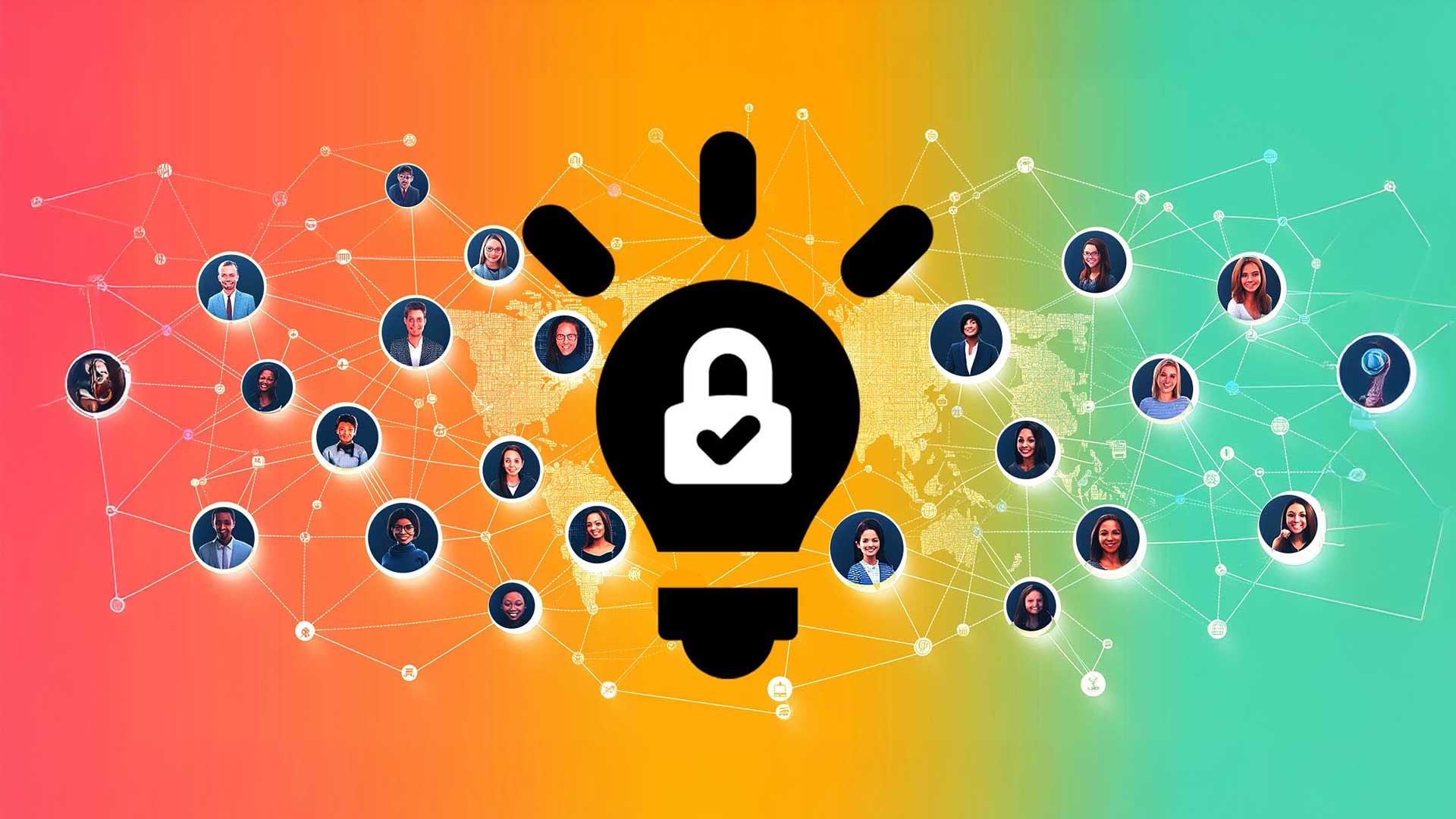
At its core, identity resolution is all about connecting the dots. Think of all the ways someone interacts with your ads: maybe they’re scrolling on their phone, shopping on a tablet, and then catching up on streaming TV. All of those touchpoints create little breadcrumbs of data.
Identity resolution pieces those breadcrumbs together to form one clear picture of who that person is, no matter where or how they’re engaging with you. It’s the secret sauce behind:
But here’s the tricky part: Without the right tools, you risk losing data or misidentifying people. Worse, you might leak sensitive data, which nobody wants.
Think of a DSP and DMP as peanut butter and jelly—they’re better as a pair. Here’s why:
A DMP collects and organizes all kinds of data (first-party, second-party, and third-party) to create detailed audience profiles. Then your DSP uses that data to decide who sees your ads, when, and where.
Because the DMP is directly connected to your DSP, it feeds audience data instantly. That means your ads are always hitting the right people with the freshest data—no delays, no guesswork.
A direct connection between your DMP and DSP keeps data transfers secure, cutting down on the risk of leaks or unauthorized access.
When you rely on a third-party data onboarder to bridge the gap between your DMP and DSP, you’re introducing more moving parts—and more risk.
Here’s where things get even smarter. An identity graph ties all those data points together. It maps out who your audience is across devices and platforms, turning scattered pieces of data into a single, unified profile.
Why does this matter?
Let’s not sugarcoat it—data leakage is a huge risk. It can lead to privacy violations, lost trust, and even legal headaches. But here’s the good news: A DSP-DMP-identity graph setup minimizes those risks.
When you combine a DSP, a DMP, and an identity graph, you’re not just advertising smarter—you’re building trust and maximizing every dollar you spend. Here’s what you get:
The digital ad world isn’t getting any simpler, and you need a partner who isn’t scared of doing the hard things. People are switching devices, platforms, and apps constantly, and the pressure to stay relevant (and secure) is real.
But with a DSP connected to a DMP and powered by an identity graph, you’re set up for success. Whether you’re running a political campaign or trying to reach a specialized healthcare provider, this trio gives you the precision, security, and flexibility you need to win.
1100 15th St NWWashington, D.C. 20005
191 Main St #595Port Washington, NY 11050 USA

 IQM Advertising Corporation Expands Leadership Team with Four New Hires Across...